Film
Return To Planet Underground
Part 1 — out now on Amazon
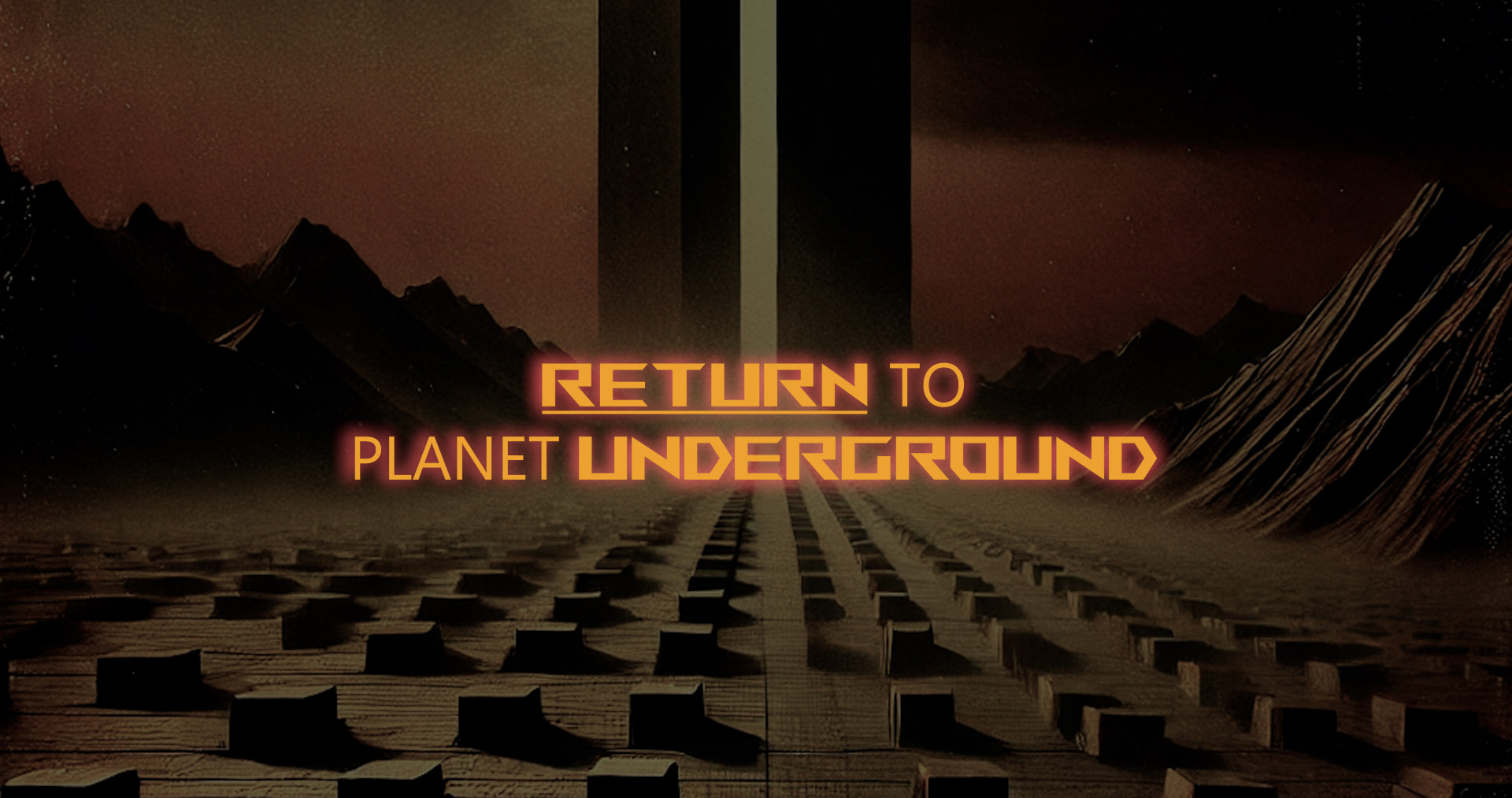
A former underground techno DJ working at a big famous law firm spirals down to the dark sides of society, where the war has already started, and finds himself in moral grey areas. With one eye on the past and one eye on the future, he stirs among the ashes of the real underground.
Return To Planet Underground Part 1 mixes a modern-day backdrop of the underground music scene with a story from scripture and colonization — a seemingly social society on the surface, something different in its lower levels.
Trailer
+++ Movie announcement +++
Metropolis 1927 – 2027
In memory of Fritz Lang — music composed by Semoha Homes
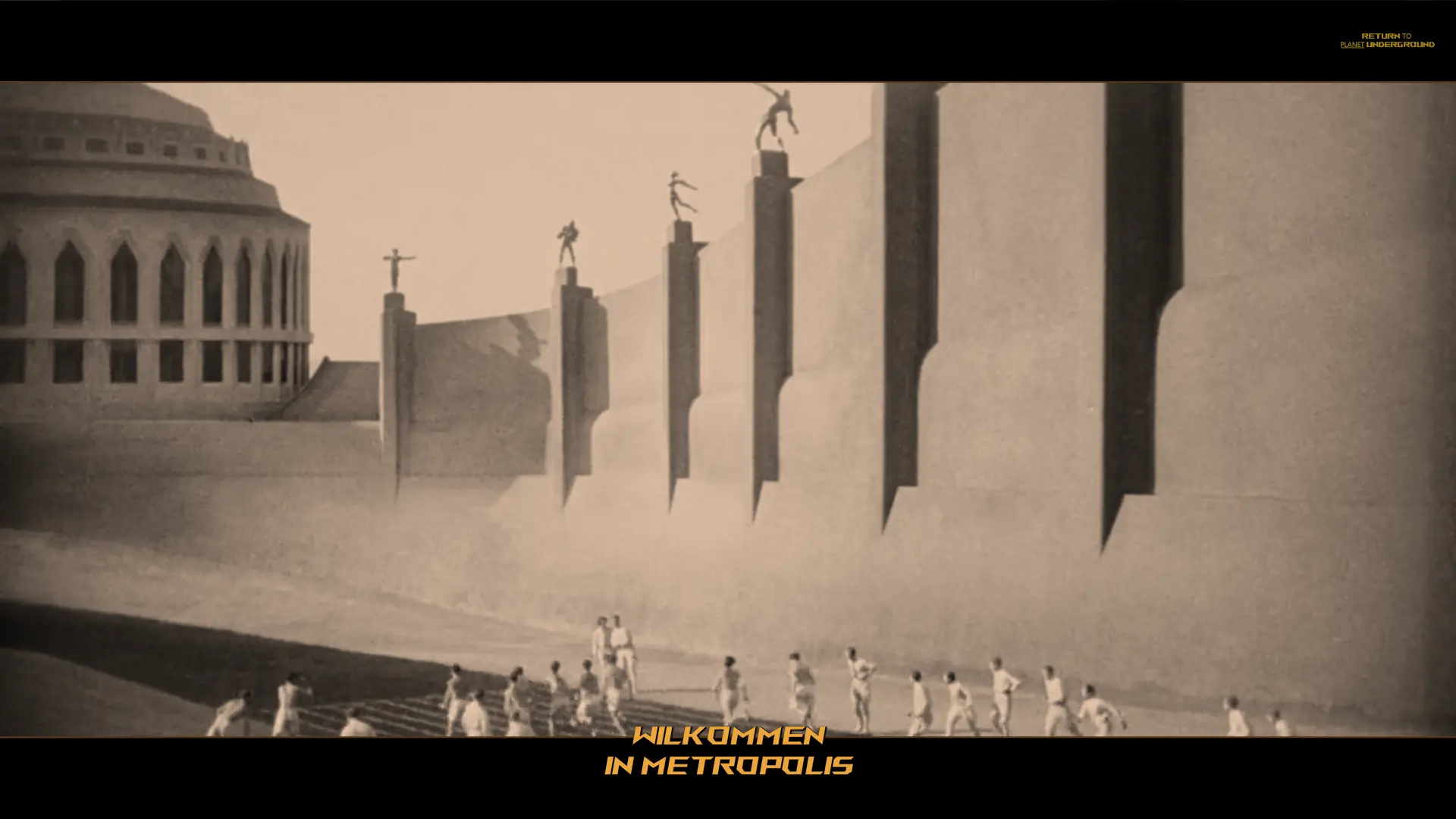
Metropolis is a groundbreaking masterpiece by Fritz Lang, released in 1927 and the mother of all sci-fi movies. The 2 hour and 28-minute original silent film is seen as the cornerstone of modern-day cinema. This unique historical work of art, with themes like social injustice, class separation and technology, is more than relevant these days.
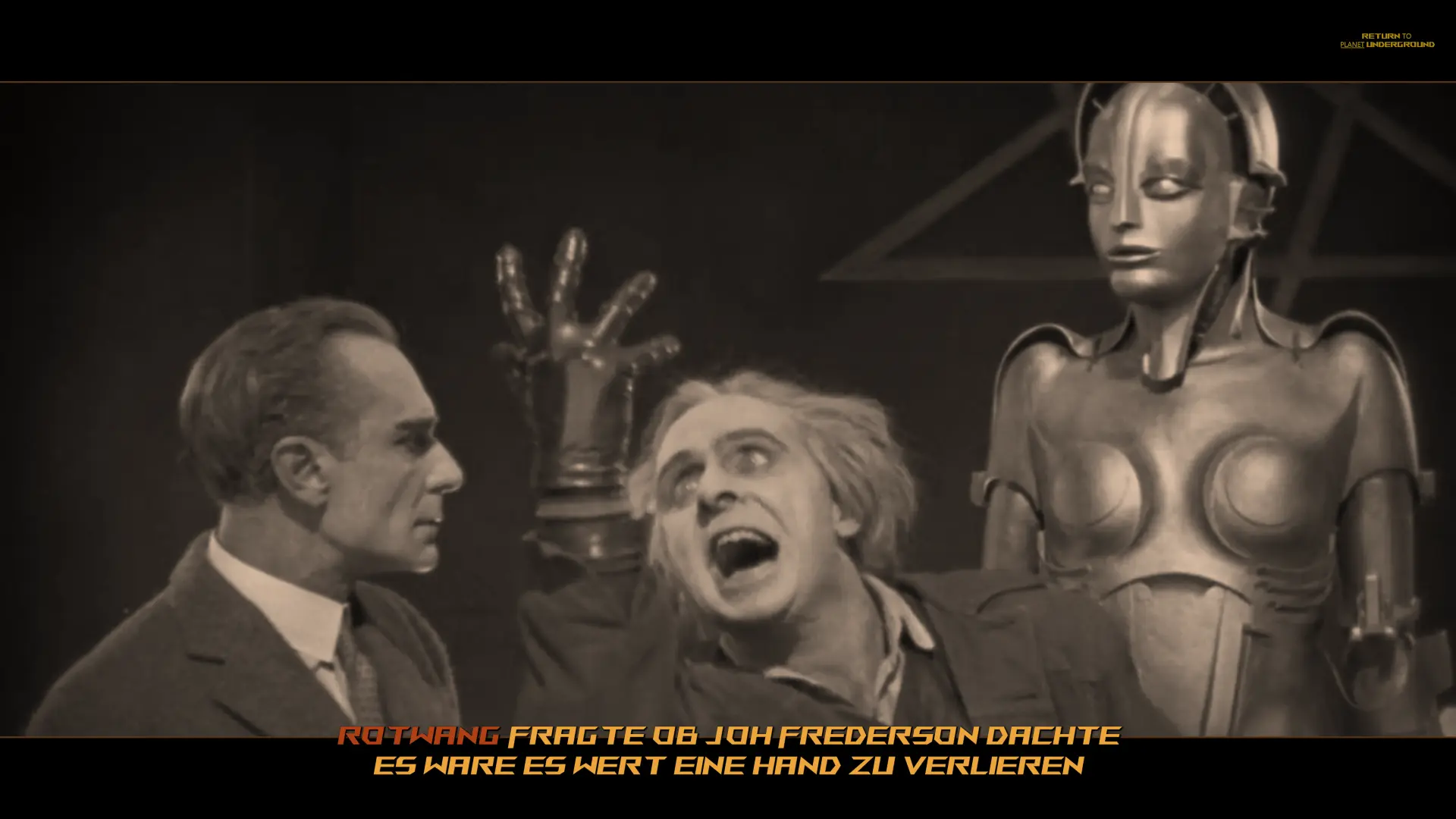
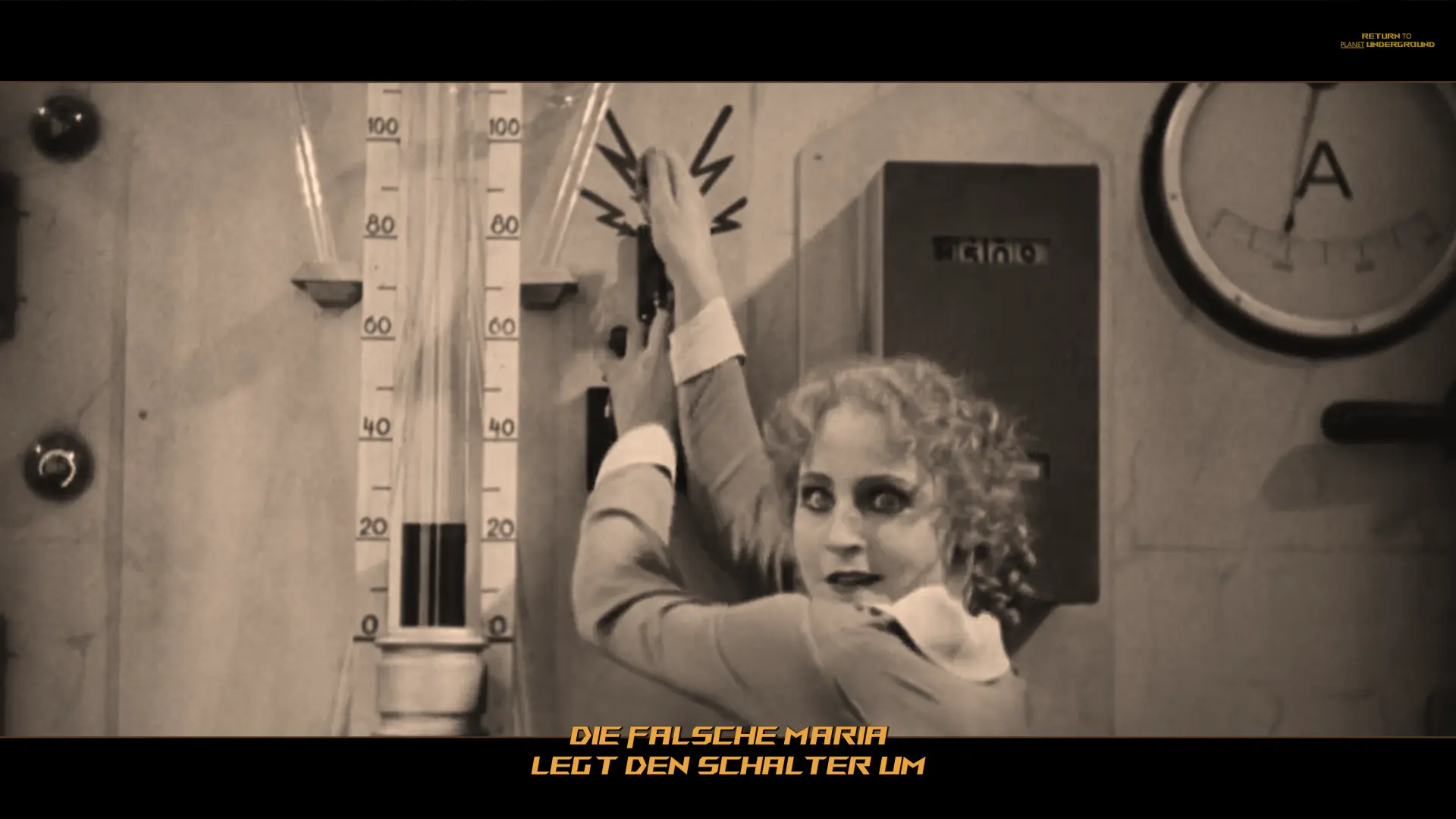
Metropolis has now been remade into an 82-minute version, where the classical music had to be replaced with custom retro-futuristic sounds to capture the dystopic world of this historical sci-fi film. The former silent movie has been re-designed with a layer that can be described as a sound novel, so this epic tale can be experienced like never before. The new version aspires to be shared with today's film lovers and younger generations, to preserve the awareness of important historical events within the landscape of cinema.
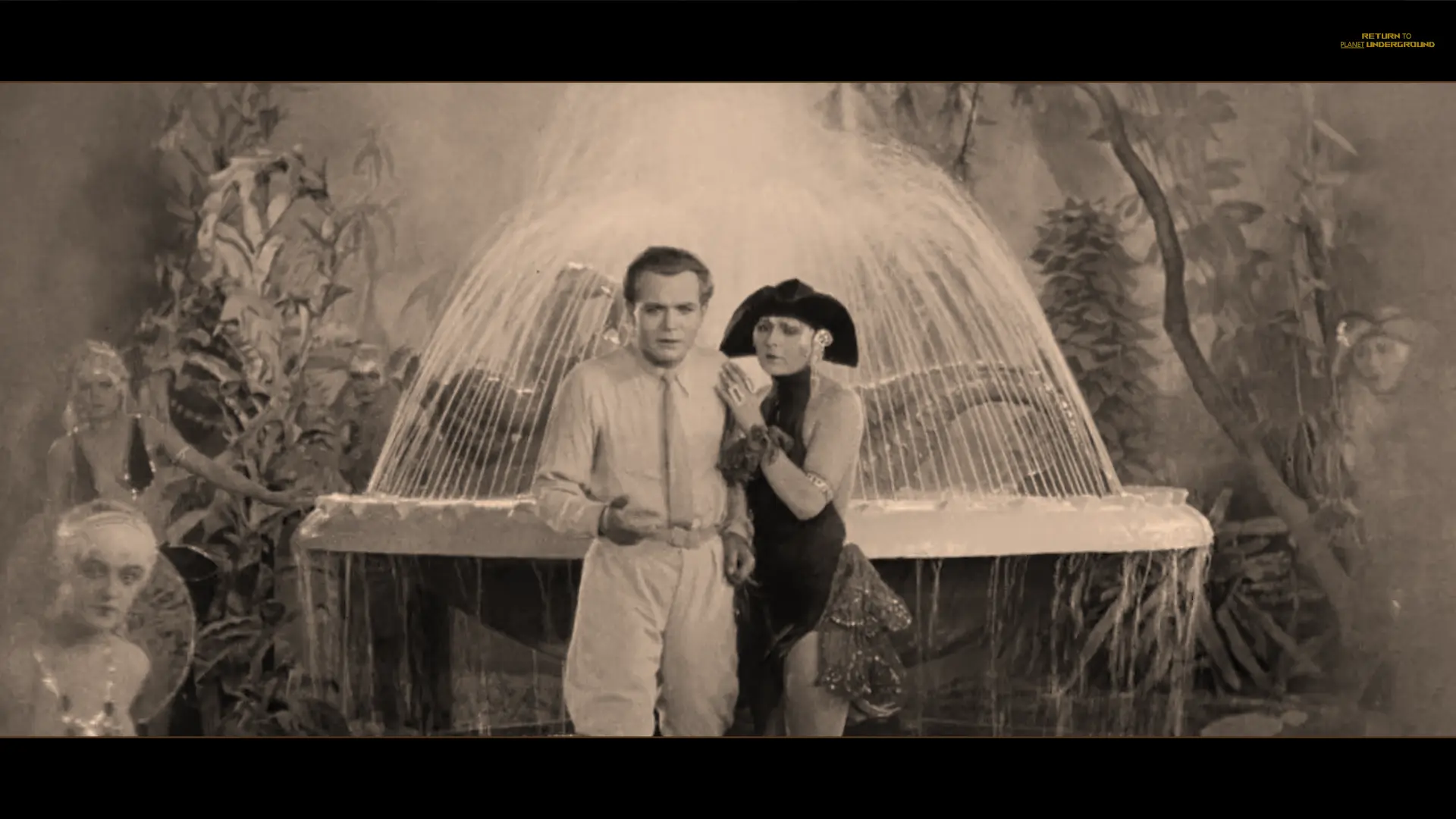
Made in Germany during the Weimar period, Metropolis is set in a futuristic urban dystopia and follows the attempts of Freder, the wealthy son of the city master, and Maria, a saintly figure to the workers, to overcome the vast gulf separating the classes in their city. The film's message is encompassed in the final inter-title: “The Mediator Between the Head and the Hands Must Be the Heart”.
Watch Metropolis 1927 – 2027
Music from the film
Four Metropolis samplers with music used under the film — available on Beatport.
Short synopsis
In a futuristic city sharply divided between the working class and the city planners, the son of the city's mastermind falls in love with a working-class prophet who predicts the coming of a savior to mediate their differences.
Sometime in the future, the city of Metropolis is home to a utopian society where its wealthy residents live a carefree life. One of those is Freder Frederson. One day he spots a beautiful woman with a group of children; she and the children quickly disappear. Trying to follow her, he is horrified to find an underground world of workers who run the machinery that keeps the utopian world above ground functioning. One of the few people above ground who knows about the world below is Freder's father, Joh Frederson, the founder and master of Metropolis. Freder learns that the woman is called Maria, who espouses the need to join the “hands” — the workers — to the “head” — those in power above — by a mediator who will act as the “heart”. When Joh learns what Maria is advocating and that Freder has joined their cause, he works with an old colleague, the inventor Rotwang, towards quashing the proposed uprising, with Maria at the centre of their plan — unaware that Rotwang has his own agenda, and that shutting down the machines risks unleashing total anarchy both above and below.
Background
A 1927 German expressionist science-fiction silent film directed by Fritz Lang and written by Thea von Harbou in collaboration with Lang, from von Harbou's 1925 novel of the same name. Filming took place over 17 months in 1925–26 at a cost of more than five million Reichsmarks, the equivalent of about €21 million. Visually beautiful and powerful, the art direction by Otto Hunte, Erich Kettelhut and Karl Vollbrecht draws influence from opera, Bauhaus, Cubist and Futurist design, with touches of the Gothic in the catacombs, the cathedral and Rotwang's house.
Metropolis is widely regarded as one of the greatest and most influential films ever made, ranking 67th in Sight and Sound's 2022 critics' poll. In 2001 the film was inscribed on UNESCO's Memory of the World Register, the first film thus distinguished. On 1 January 2023 the film's American reserved copyright expired, thereby entering the film into the public domain.
Cast
- Maria
- Brigitte Helm
- Freder Frederson
- Gustav Fröhlich
- Joh Frederson
- Alfred Abel
- Der Dünne Mann
- Fritz Rasp
- Josaphat
- Theodor Loos
- Rotwang
- Rudolf Klein-Rogge
- Grot
- Heinrich George
- Zeremonienmeister
- Heinrich Gotho
- Georgy
- Erwin Biswanger
Crew
- Regie
- Fritz Lang
- Drehbuch
- Thea von Harbou & Fritz Lang
- Kamera
- Karl Freund, Günther Rittau, Walter Ruttmann
- Bauten
- Otto Hunte, Erich Kettelhut, Karl Vollbrecht
- Costume designer
- Aenne Willkomm
- Editor
- Semoha Homes
- Musik
- Semoha Homes
Technical information
Deutschland 1927 – 2027
16:9 black & white
82 min, stereo